Practical Tips for Enhancing Tour Narratives
In an increasingly competitive tourism industry, local storytelling tour agencies must prioritize narrative-driven experiences that resonate with participants. This article explores practical tips to enhance tour narratives, ensuring they are both engaging and informative.
Understanding the Importance of Storytelling
According to research, effective storytelling can significantly enhance the visitor experience. Studies show that narratives that connect emotionally with participants can lead to improved satisfaction and higher retention rates, making them more likely to recommend the tour to others. The principle behind this is simple: people remember stories far better than they do plain facts or figures.
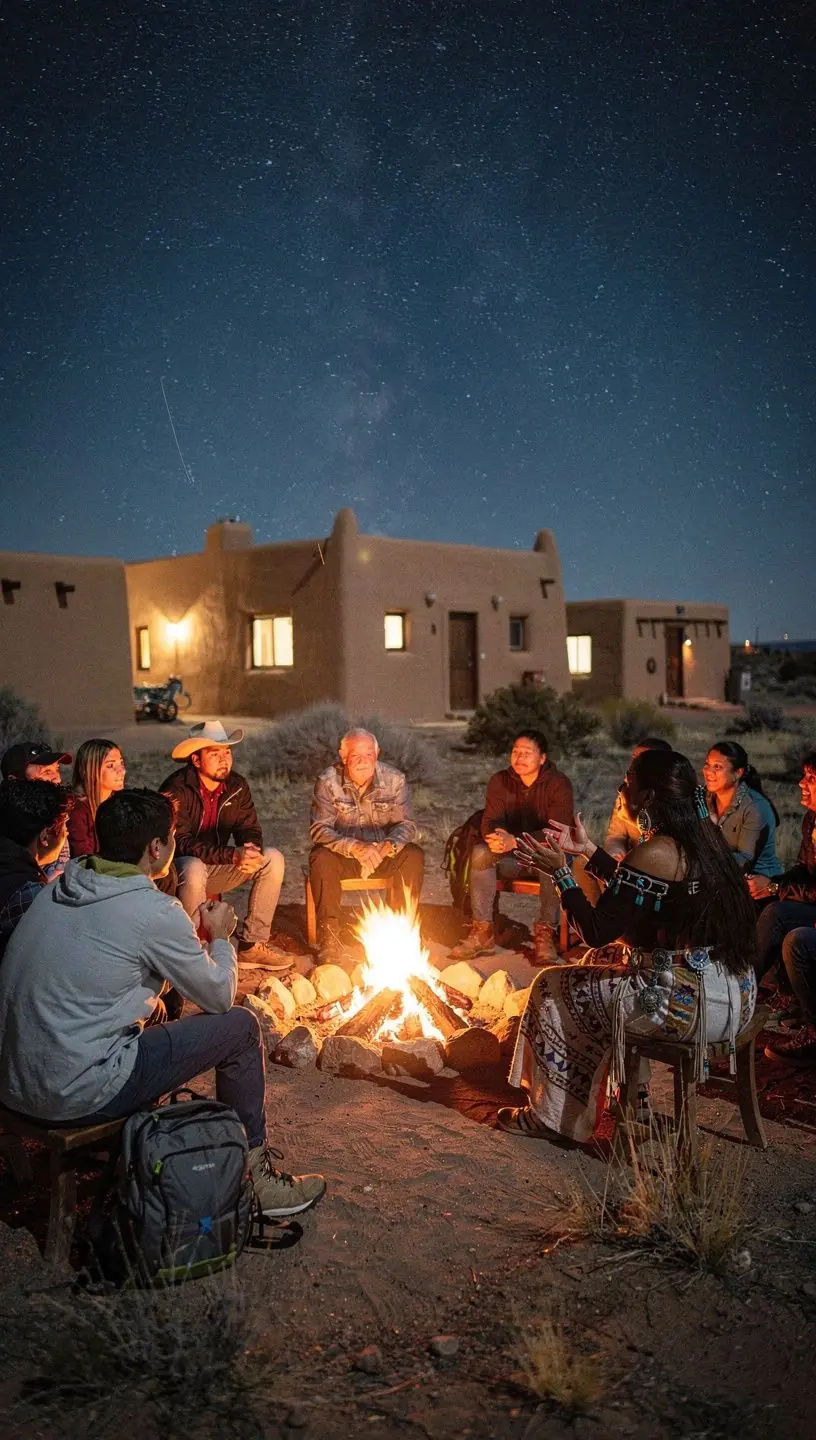
"Narrative-driven experiences allow participants not only to see a city but to feel its history and culture." - Tourism Industry Expert
Crafting Engaging Narratives
To create captivating narratives, consider the following practical steps:
- Incorporate Local Legends and Myths: Many users report that including local folklore adds depth and intrigue to tours. This works best when the stories reflect the unique cultural aspects of the area.
- Use Descriptive Language: Experts recommend using vivid imagery to transport participants into the scene. This typically involves carefully chosen words that evoke senses and emotions.
- Interactive Elements: Engaging participants through questions or prompts encourages participation. This method can enhance the storytelling experience as it allows individuals to connect personally with the narrative.
Utilizing Research and Historical Context
Incorporating historical data and research findings into narratives can add credibility and educational value. Here are a few tips on how to effectively use this information:
- Contextual Relevance: Ensure that all historical references are pertinent to the locations being visited. This helps maintain the flow of the narrative and keeps participants engaged.
- Keep it Simple: Avoid overwhelming the audience with excessive information. The goal is to enhance the narrative, not to provide a history lecture. Industry experts suggest keeping historical details concise and relevant.
- Share Anecdotes: Personal stories or anecdotes related to historical facts can make the narrative more relatable. This approach can help participants connect emotionally with the content.
Acknowledging Limitations and Setting Expectations
While enhancing tour narratives is beneficial, it is essential to acknowledge certain limitations:
- Time Considerations: Crafting richly detailed narratives typically requires significant preparation time. Tour guides should allocate at least 2-4 weeks to develop and refine their storytelling techniques.
- Practice and Feedback: Developing strong storytelling skills involves a learning curve. Regular practice and soliciting feedback from peers can greatly improve delivery.
- Customization: Not all narratives will suit every group. Tailoring stories to match the interests of different audiences may require additional research and flexibility in the tour's structure.
Conclusion
In summary, enhancing tour narratives is a multifaceted process that can lead to more engaging and memorable experiences for participants. By incorporating local legends, descriptive language, and historical context, tour guides can create stories that resonate. However, it is important to set realistic expectations regarding time and preparation. By prioritizing educational value and ensuring narratives are relevant, tour agencies can significantly improve their offerings, fostering a deeper connection between visitors and the cities they explore.