How to Effectively Market a Storytelling Tour Agency
Marketing a storytelling tour agency requires a nuanced approach that resonates with potential customers. By focusing on narrative-driven experiences, agencies can attract a diverse audience. This article will explore effective strategies and best practices to help you market your storytelling tours.
Understanding the Local Market
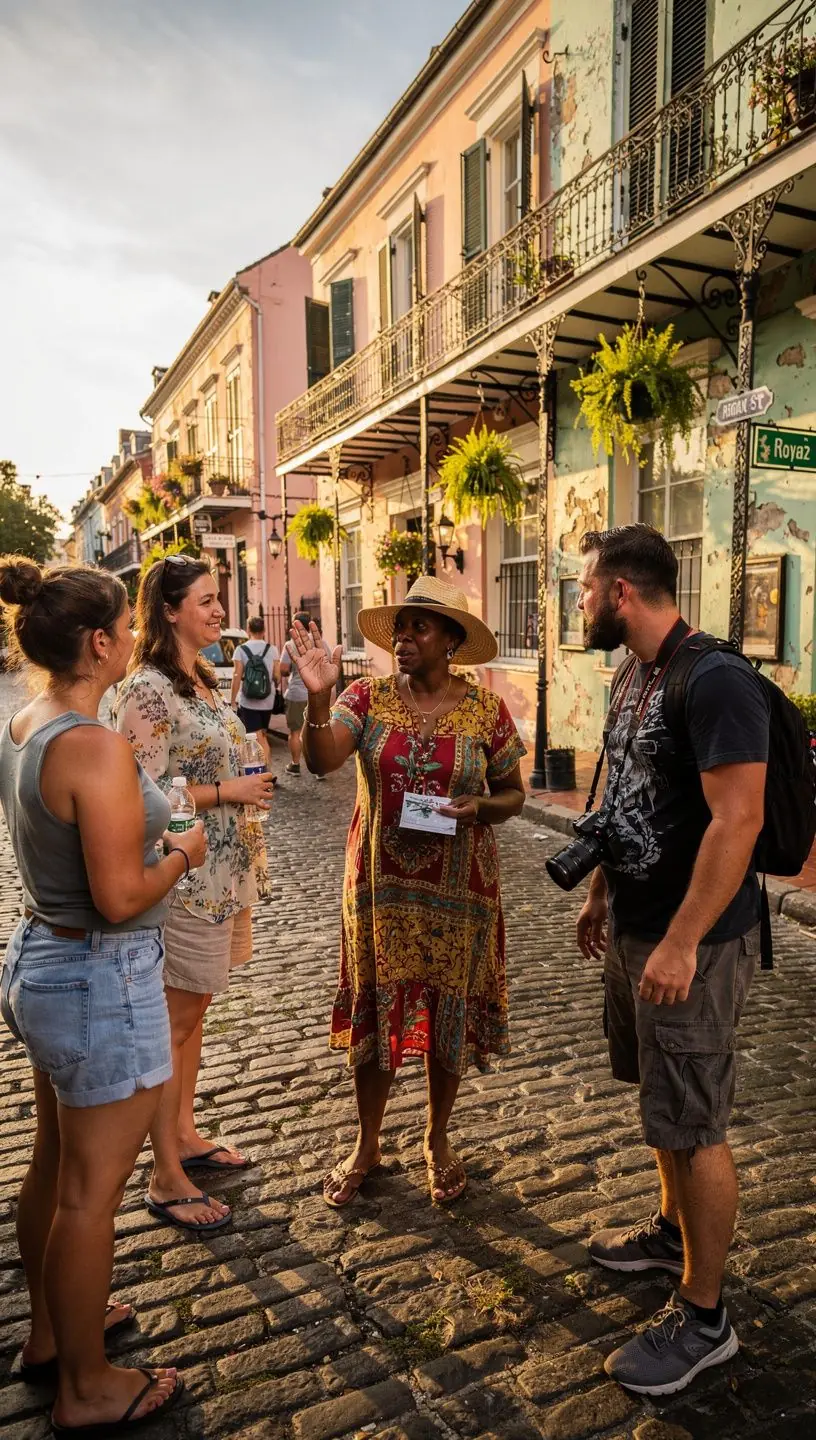
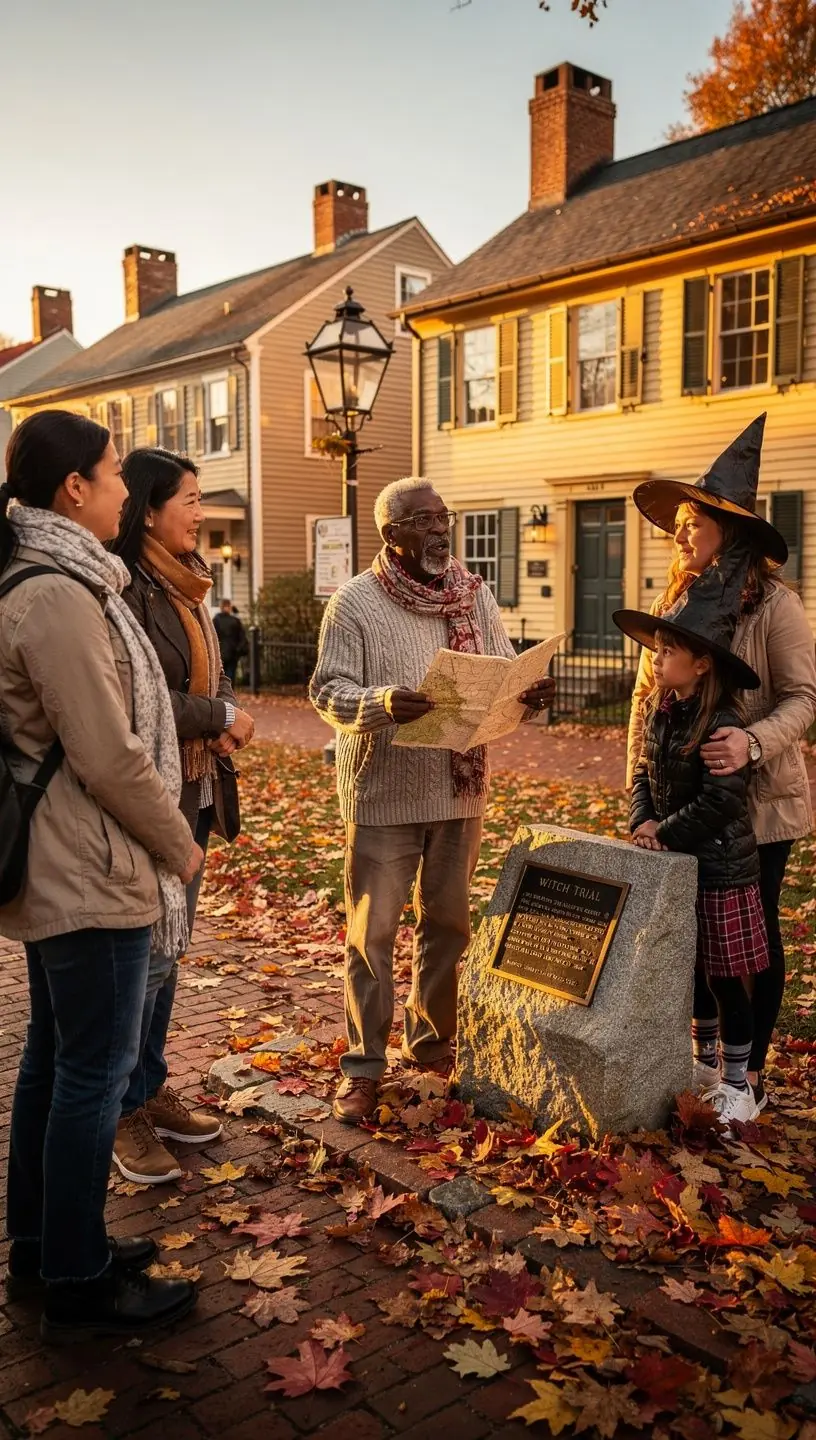
To effectively market your storytelling tour agency, it’s crucial to understand the local market. Many users report that tailoring your offerings to the unique culture and history of the area enhances the customer experience. According to research, agencies that engage with local narratives often see increased interest from both residents and tourists. This works because tourists are typically looking for authentic experiences that connect them to the local community.
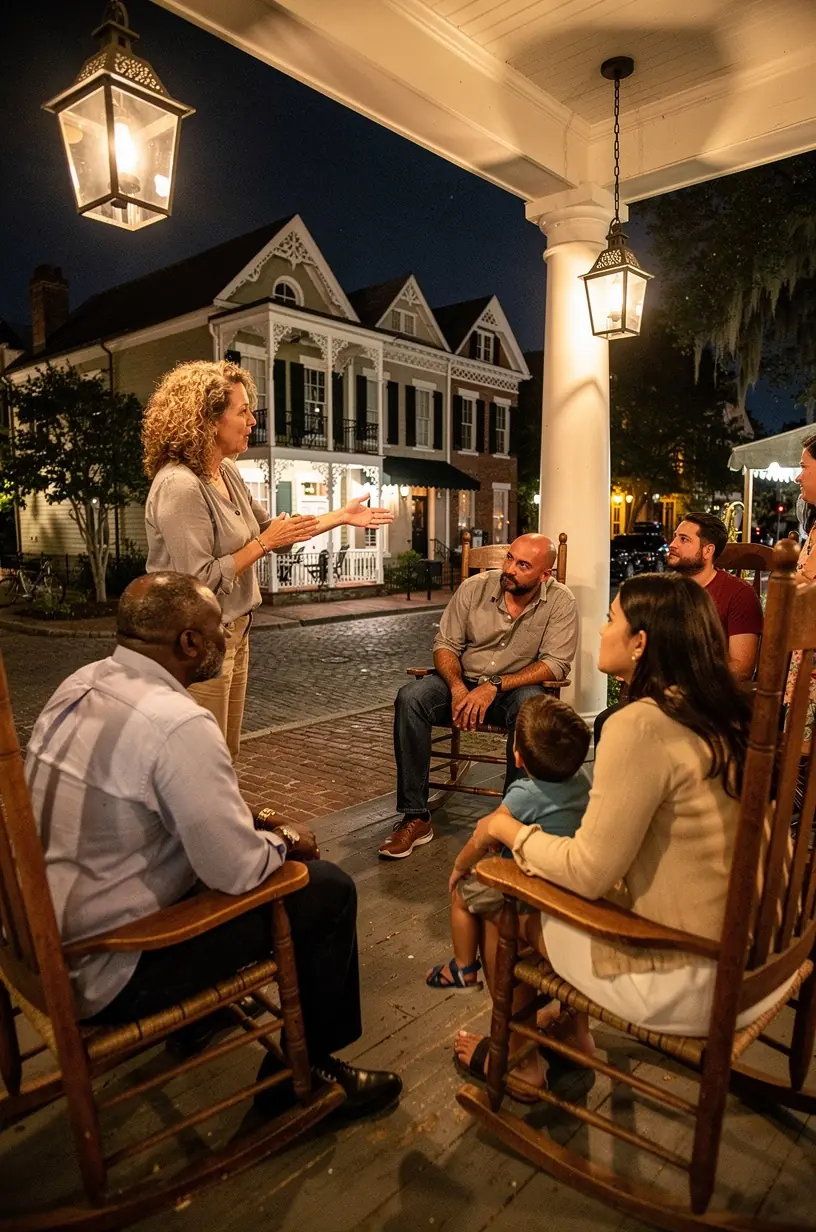
"Storytelling is not just about sharing tales; it’s about creating connections and evoking emotions." - Local Tourism Expert
Creating Engaging Content
Content marketing is a vital tool for promoting your storytelling tours. Many agencies find success through the following methods:
- Blogging: Regularly posting articles about local stories, history, and events relevant to your tours can enhance your website's SEO and attract more visitors. Experts recommend posting at least once a week for optimal engagement.
- Social Media: Platforms like Instagram and Facebook can visually showcase your tours. Studies show that posts featuring high-quality images and engaging narratives typically receive higher interaction rates.
- Email Marketing: Building an email list and sending newsletters with upcoming tour information and local storytelling highlights can keep your audience engaged. This approach works best when content is personalized and relevant to the interests of your subscribers.
Leveraging Customer Reviews
Encouraging satisfied customers to leave reviews can significantly impact your agency’s reputation. According to industry standards, up to 84% of people trust online reviews as much as personal recommendations. Here are some ways to leverage this:
- Ask for Feedback: After each tour, consider sending a follow-up email requesting customer feedback. This can help you gather testimonials that can be displayed on your website or social media.
- Showcase Success Stories: Highlight positive experiences from past participants on your website and marketing materials. This not only validates your tours but also provides potential customers with relatable experiences.
- Engage with Reviews: Responding to reviews—both positive and negative—demonstrates that you value customer feedback. This practice can enhance your agency’s credibility and encourage more customers to share their experiences.
Setting Realistic Expectations
When marketing your storytelling tours, it’s essential to set clear expectations. Potential customers should know what to expect in terms of duration, content, and cost. Most storytelling tours typically last between 1-3 hours and involve a moderate level of physical activity. Clear communication regarding these factors can help avoid misunderstandings and improve customer satisfaction.
Conclusion
Marketing a storytelling tour agency requires a blend of local insight, engaging content, and customer interaction. While there is no one-size-fits-all strategy, utilizing these methods can create a solid foundation for your marketing efforts. By focusing on authentic storytelling and connecting with your audience, you can foster interest in your tours and build lasting relationships with customers.