The Role of Storytelling in City Tours
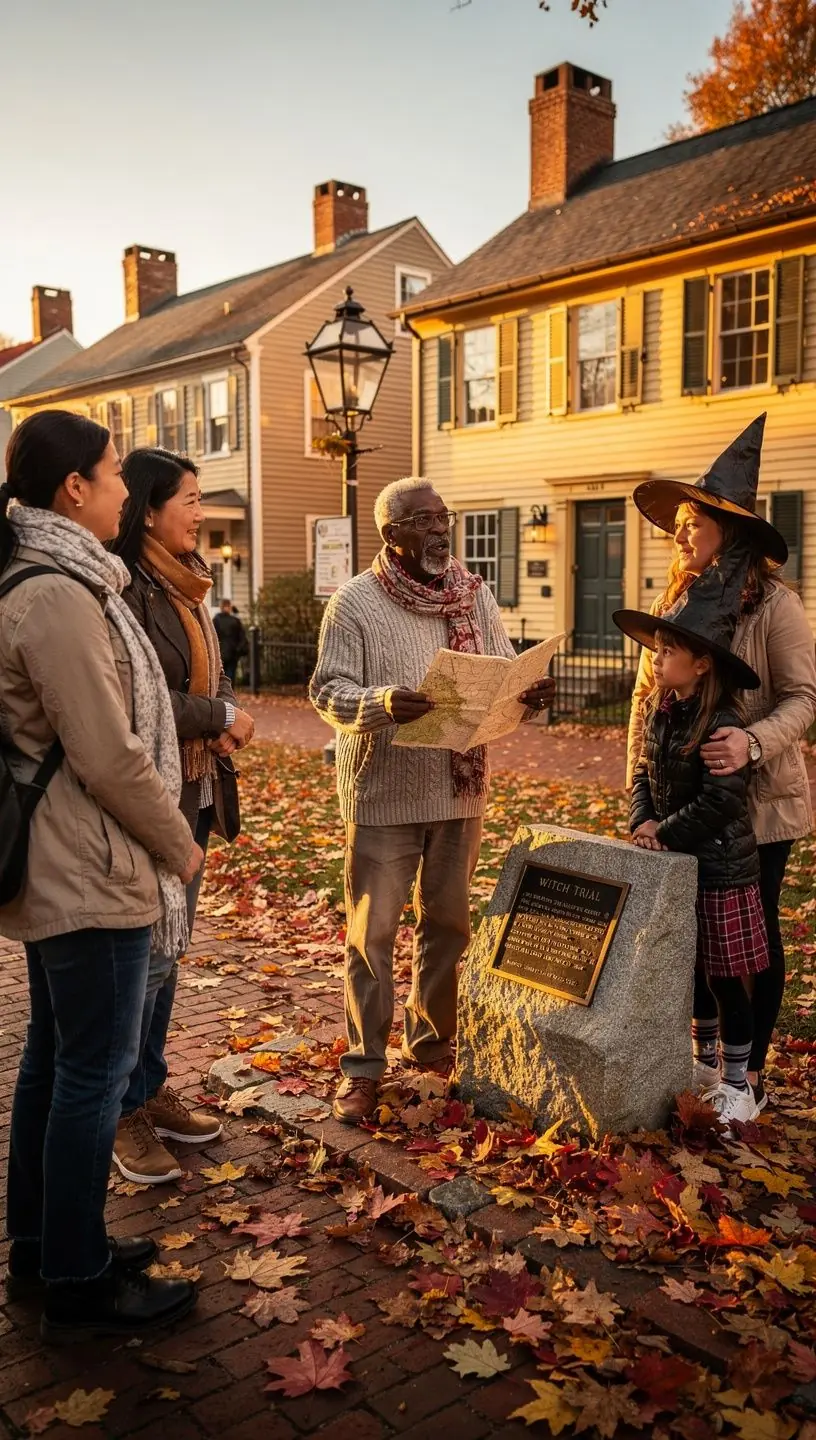
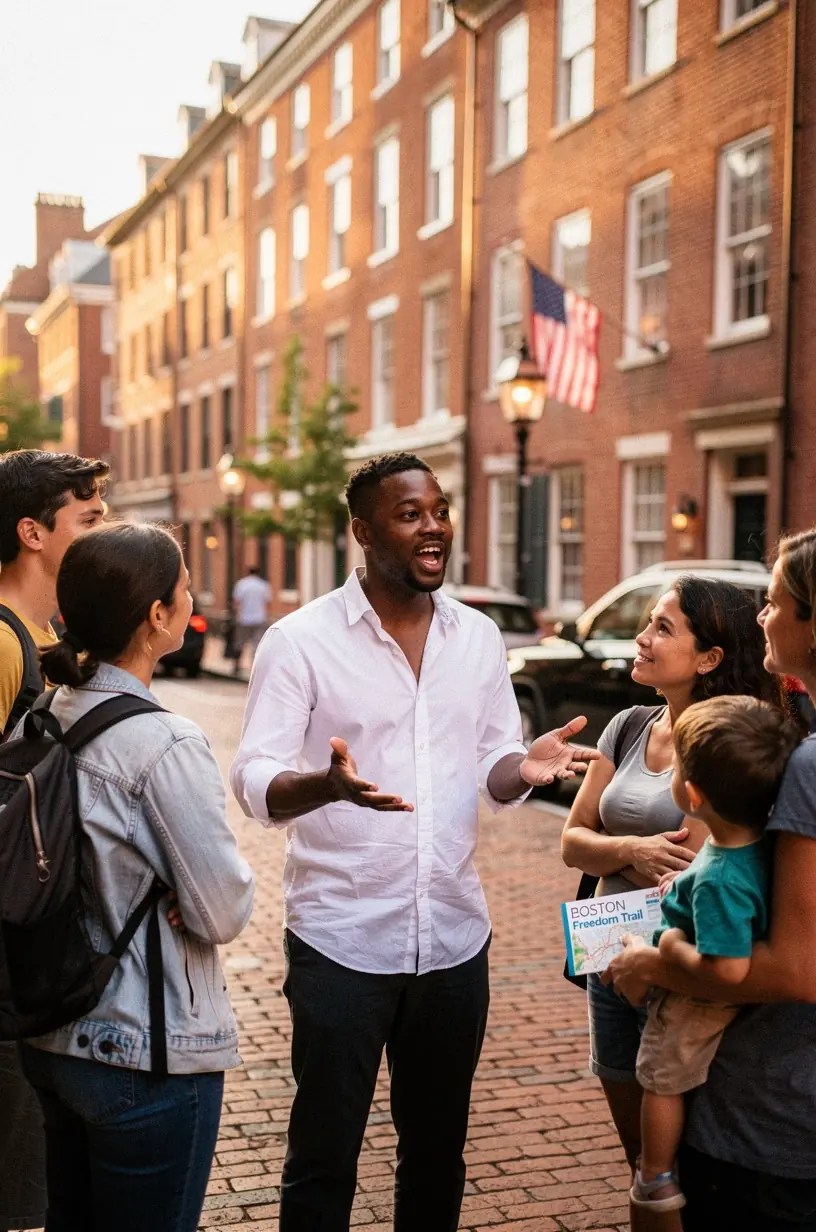
As urban environments continue to grow and evolve, the need for unique and engaging experiences becomes increasingly important. Storytelling has emerged as a powerful tool that many local tour agencies use to create narrative-driven city experiences. This article explores the significance of storytelling in city tours and how it can enhance the overall experience for participants.
Understanding the Importance of Storytelling
Storytelling is not just about sharing facts; it’s about creating a connection between the storyteller and the audience. According to research by the University of California, narratives can help individuals retain information up to 22 times longer than simple facts alone. This is particularly relevant in the context of city tours, where participants seek not just to see but to understand the history and culture surrounding them.

"Narratives create emotional connections, allowing participants to engage more deeply with their surroundings." - Dr. Sarah Mitchell, Anthropologist
How Storytelling Enhances City Tours
Integrating storytelling into city tours can transform a typical sightseeing experience into a memorable adventure. Here’s how:
- Creates Emotional Engagement: Many users report that stories evoke emotions, making the locations feel more personal and significant.
- Fosters Understanding: By providing context and background, storytelling helps participants grasp the cultural and historical significance of landmarks.
- Encourages Interaction: Stories can prompt questions and discussions, making the tour more interactive and engaging.
Practical Applications of Storytelling in Tours
When tour agencies incorporate storytelling into their itineraries, they often utilize various techniques:
- Use of Local Legends: Many tours feature local folklore or legends, offering insights into the community’s values and traditions, which may resonate more than historical facts alone.
- Character-driven Narratives: Some agencies role-play as historical figures or local personalities, which can provide a unique perspective on the city’s history.
- Immersive Experiences: Incorporating multimedia elements like audio recordings or interactive displays can enhance storytelling efforts, creating a more immersive experience.
Challenges and Considerations
While storytelling can significantly enhance city tours, it is important to acknowledge the limitations:
- Implementing a strong narrative requires a significant time commitment from tour guides, who must develop their storytelling skills.
- The effectiveness of storytelling can vary based on the audience; not all participants may respond equally to narrative elements.
- Adapting stories for different demographics may involve additional effort, as cultural contexts and preferences differ widely.
Conclusion
Incorporating storytelling into city tours represents a reliable approach to enriching the tourist experience. By creating emotional connections, fostering understanding, and encouraging interaction, storytelling can turn ordinary tours into unforgettable journeys. However, tour agencies must be mindful of the time and effort required to craft compelling narratives that resonate with diverse audiences. Ultimately, when done effectively, storytelling can transform the way we explore and appreciate our cities.