Creating Engaging Narratives for Tour Experiences
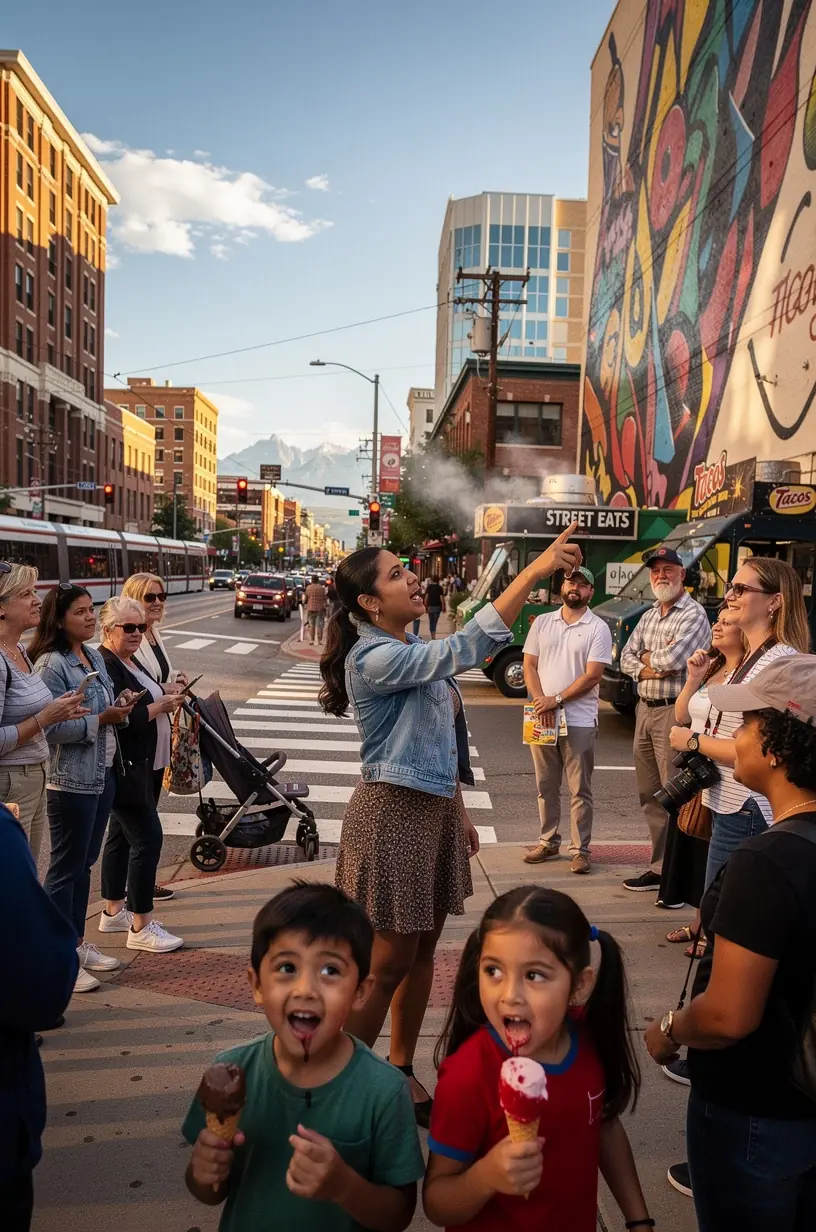
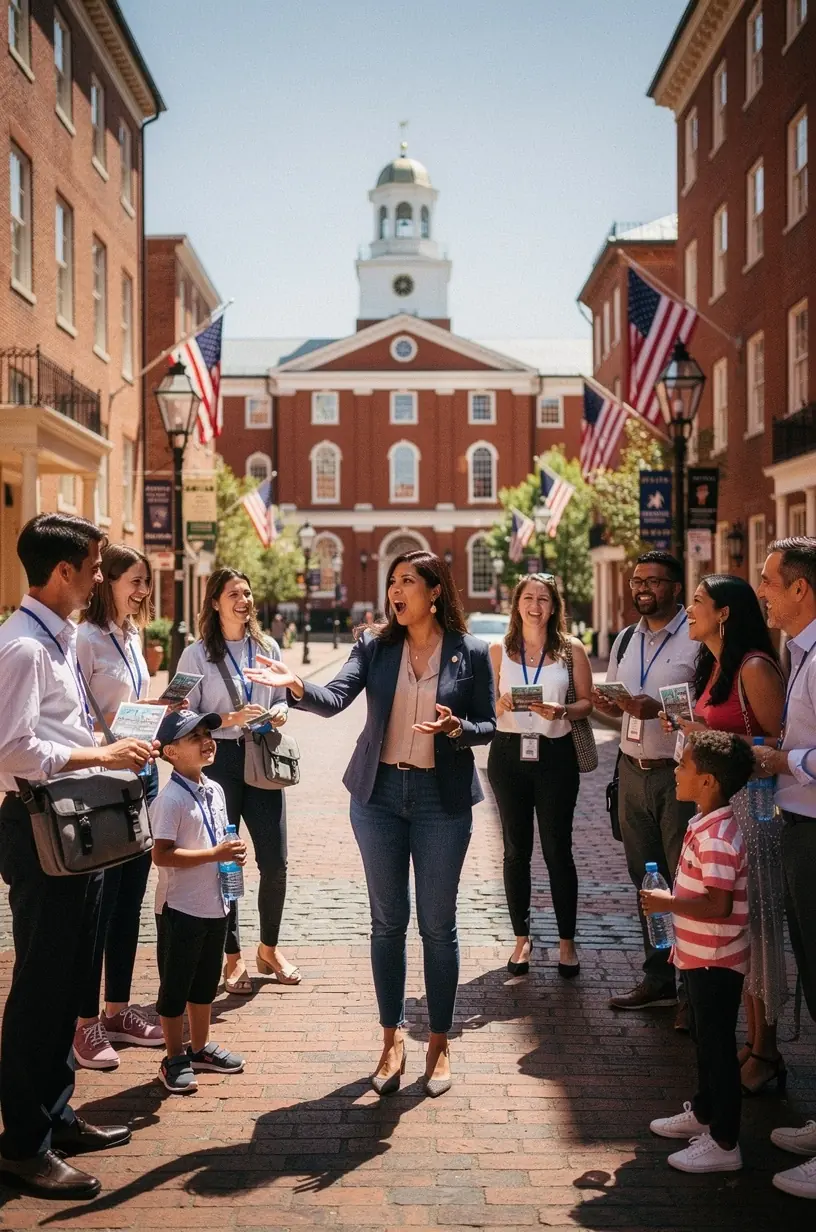
In an age where travelers seek more personalized experiences, crafting engaging narratives in tour offerings has become essential. This article explores how local storytelling can enhance city tours, creating memorable experiences for visitors while supporting tour agencies in standing out in a competitive market.
Understanding the Basics of Narrative-Driven Tours
Creating engaging narratives for tour experiences involves weaving together local history, culture, and personal stories into a cohesive and immersive journey. According to industry research, narrative-driven tours can significantly increase visitor satisfaction and engagement levels. This approach works because stories resonate on an emotional level, making the experience more relatable and memorable.

"Research shows that stories can enhance retention and understanding of information, which is crucial in the context of guided tours." - Tourism Studies Journal
The Importance of Local Storytelling
- Personal Connection: Many users report that they feel a stronger connection to destinations when they learn about the lives of the people who inhabit them. This connection can lead to a deeper appreciation of the location.
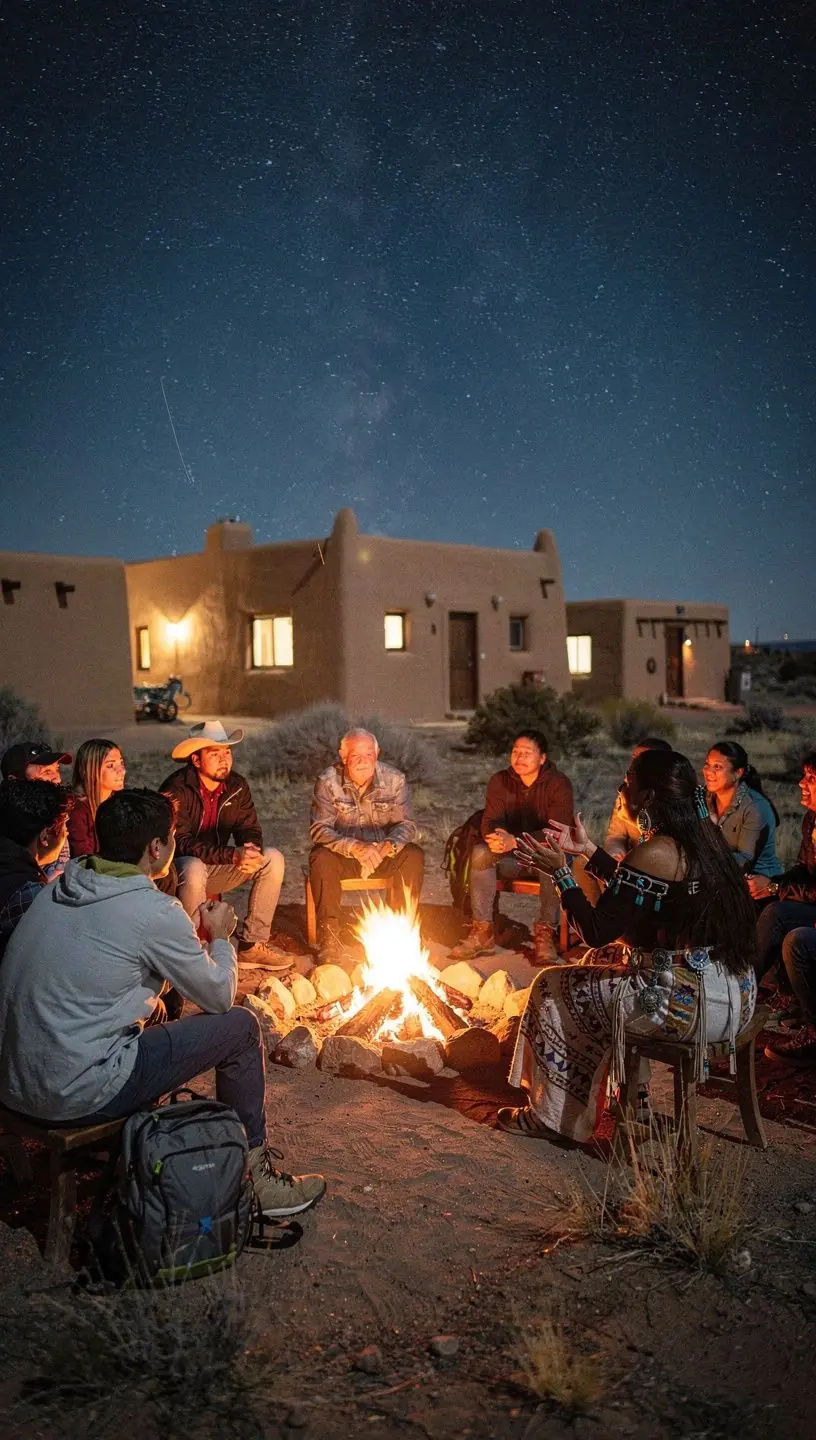
- Cultural Context: Experts recommend integrating local folklore and historical anecdotes into tour narratives. This practice not only educates visitors but also promotes cultural heritage, enriching their overall experience.
- Building Community: Crafting narratives helps communities share their unique stories, which can foster a sense of pride and togetherness among residents. This approach works best when local voices are included in the storytelling process.
Practical Application of Engaging Narratives
Implementing engaging narratives into your tours typically requires several steps:
- Research: Begin by researching the history and culture of the area. This foundational knowledge allows tour guides to construct authentic narratives that resonate with visitors.
- Incorporate Personal Stories: Whenever possible, include personal stories from local residents. This not only adds authenticity but also provides a unique angle that differentiates your tour from others.
- Practice Delivery: Effective storytelling in tours requires practice. Guides should work on their delivery to ensure that stories flow smoothly and captivate the audience. This often involves trial and feedback.
Challenges and Considerations
While the benefits of narrative-driven tours are evident, there are challenges to consider. Crafting compelling narratives typically requires time and dedication. Developing a strong narrative can take several weeks of research and practice. Additionally, it's crucial to ensure that stories are respectful and accurate, as misinformation can damage a tour's reputation.
Conclusion
In summary, creating engaging narratives for tour experiences is not only a powerful way to enhance visitor satisfaction but also a method to promote local culture and heritage. By focusing on personal stories, historical context, and community involvement, tour agencies can offer unique experiences that resonate with travelers. However, it’s important to maintain realistic expectations regarding the time and effort needed to develop these narratives effectively. As tourism continues to evolve, those who embrace storytelling will likely find their tours more impactful and memorable.
Discover More